For nerds, by nerds.
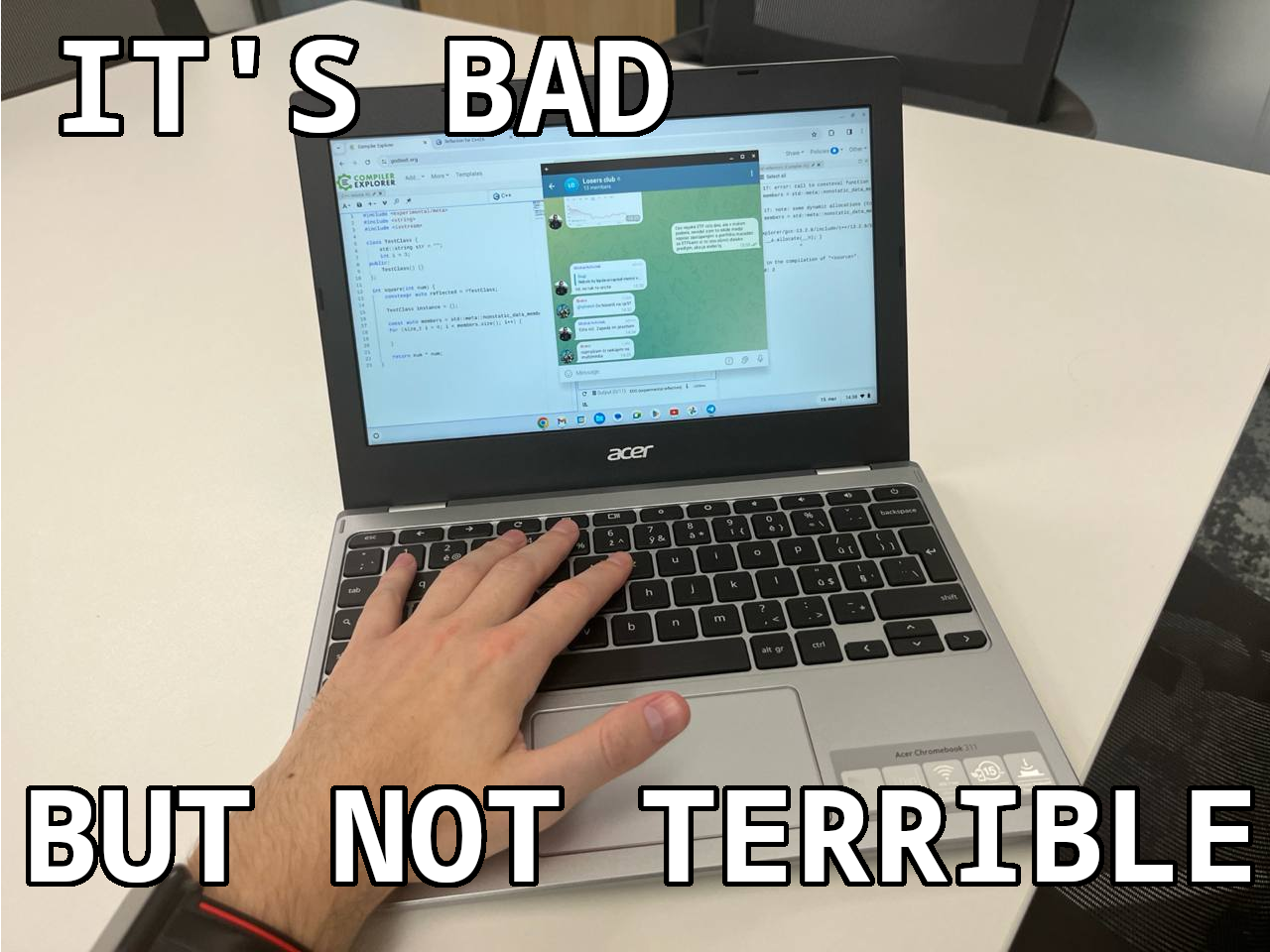
So I bought a new laptop for 200€
It’s amazing that ChromeOS can provide a desktop environment that doesn’t freeze on such low specs… and also delivers an almost complete Debian experience.
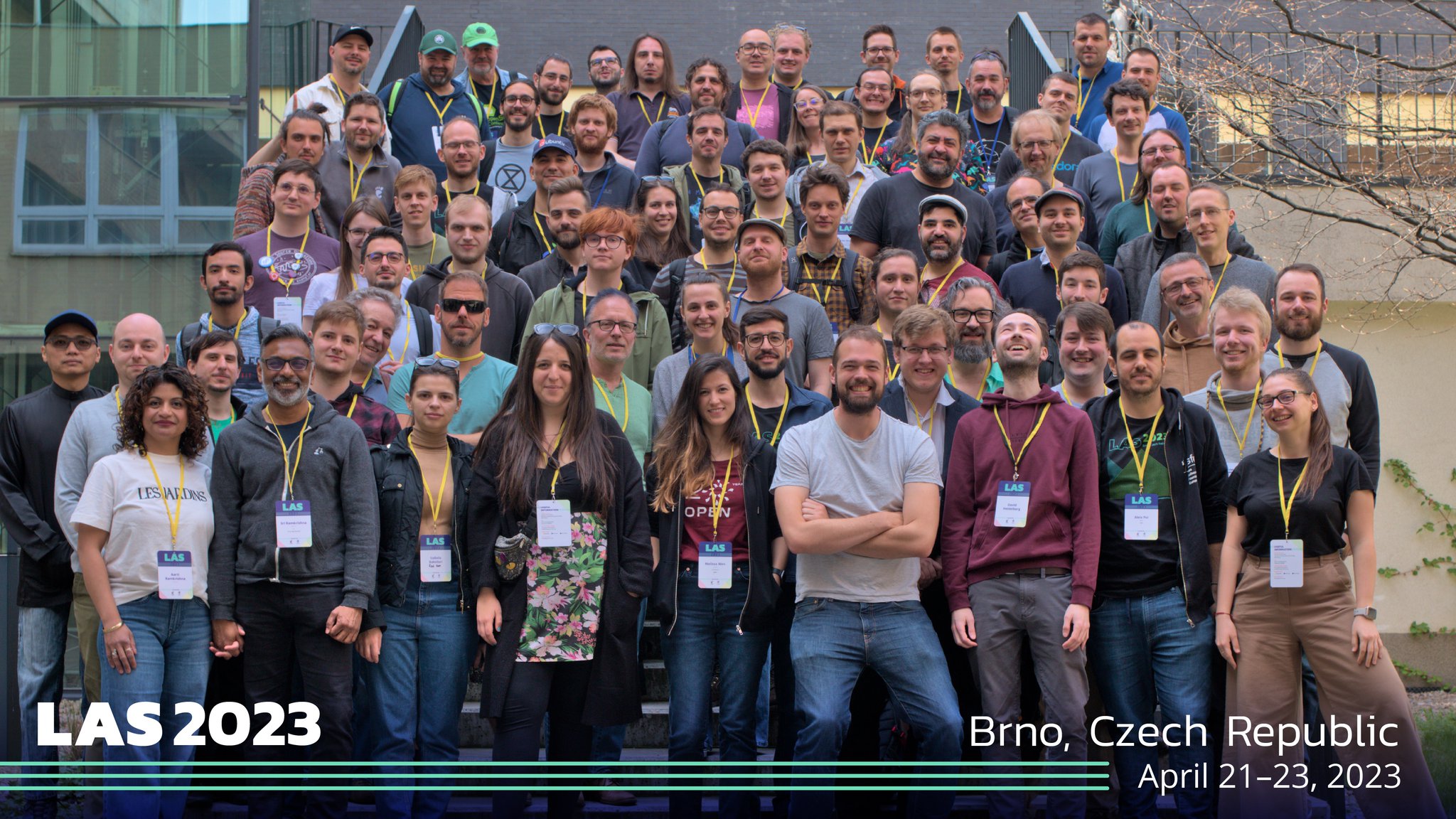
Linux Application Summit 2023 - A view from the sidelines...
Let’s start from the beginning - what Is Linux Application Summit? Like the name suggests, it’s a conference, or rather a meet-up of a variety of Linux software groups, teams and individual creators. Most important of all, it’s a joint effort by two large projects - KDE and GNOME. It represents a truth, not many Linux blogs and media properly represent - that we are part of a large family that shares values, customs and love. A lot of people seem to assume, that there is this great rivalry and fragmentation in the Linux community. That for one to prevail, the others must fall into oblivion. That there can only be one packaging format, one distro to rule them all. Linux App Summit is the proof that our differences are not our weakness, but actually our strength. Events such as this, where people from Canonical, Red Hat and various other projects and communities meet, eat, drink and bond together show that the open source world is a gorgeous tapestry, rather than a vicious battlefield. If you haven’t been able to join us in person, let me at least show you a glimpse of what I’ve seen and experienced in one of my favorite cities in the Central Europe, the city of Brno in Czech Republic. ...

Lords of Tech 4: Resurrections
If you’ve visited this blog in the past, you may have noticed that we are two guys writing about very different topics. Dugi usually writes about his C++ expertise, while I used to do more general-oriented posts, distro reviews mostly. I also haven’t been feeling like writing much in the past two years, as I was getting burned out both by trying to start a career as a freelancer, while finishing up my PhD and starting the process of building a house. Fortunately, since then I was able to finish my degree, get the house construction on the way (now in the final finishing touches phase) and since the beginning of this year, get a nice and cozy job as a Java backend developer. As I obviously do not like the feeling of boredom, I decided to try and resurrect this dreaming blog of ours by both starting my distro-hopping once again, writing longer, more involved reviews of both hardware and software that I daily drive and also write a few words here and there about Java and quite possibly some other languages that I started learning in the mean time. ...

Emergency recovery of a shared web and mail hosting VPS [Case Study]
A small side-effect of my community and blogging work is, that I occassionaly (a few times per month) have people reach out to me asking for advice on a variety of topics, or for help if they are in a pickle. The lastest case was a guy from Czechia (Let’s call him Mr. D), asking for help with his pwnd web/mail server. It had a multiple glaring issues and even after my intervention is probably a minefield of vulnerabilities and backdoor. Since I am in the last year (hopefully) of my PhD studies and am currently swamped by my regular job as well, I didn’t have time to spend properly investigating and fixing all the issues in a manner that I would feel comfortable getting paid for, I’ve decided to perform the bare minimum to get the site up and running “pro bono”. ...

Setting up a VPS for several small e-commerce businesses (part 1)
Over the years, I’ve had the opportunity to set up a few websites, both static and dynamically generated. A few years ago, I’ve settled on Wordpress as my default choice, initially simply building up sites from themes and plugins, until I bit the bullet and started adding my own snippets of PHP and later building a full, albeit simple, custom theme. This series will hopefully prove to you that setting up a web server, mail server and other neat services is not as hard as you might assume and you can even serve several small businesses using a reasonably priced VPS. In this initial article, we’ll deal with initial setup of our Ubuntu 20.04 server and turning it into a nice little LEMP server. I am expecting you to know at least the bare minimum about terminal, ssh and how to install packages in Debian-based distributions. You should also already own a domain and know how to set up A-records.

ElementaryOS 6 Odin
Since I haven’t written anything in a while, much less a comprehensive distribution review, a little updated background info is in order. In past years, I’ve toned down my “Linux on everything” push and went slightly more practical in my day-to-day life. I probably will write a short story on my transformation from an obsessed FOSS-only zealot to a privacy-minded, practicality-inclined user of whatever tool fits the best. I still use Ubuntu 20.04 on my workstation at the office, various Ubuntu LTS releases on my servers and a few months ago, I installed Fedora 34 on my home-office workstation (long-term review coming), but I’ve switched from a Thinkpad X1 Carbon Gen 3 with a distro-du-jour to an M1 Macbook Air running unsurprisingly macOS Big Sur. I’ve also had the unfortune to support a bunch of Windows 10 desktop, so I think I can at least compare various desktop operating systems and measure their merit. That being said, I must admit, I haven’t felt the need to write anything about new releases for the past year or so, since apart from Gnome 40 in Fedora 34, nothing really tickled my interest, and I’m holding on my review of that huge upgrade until I can try it out in a reasonably stable beta of Ubuntu 21.10. Anyways, back to the distro at hand. ...
The Sisyphean task of enabling Adobe Flash Player in a modern QT/Chromium based web browser
Prologue and motivation A part of my PhD. research deals with computer science as a source of innovative ways to improve education in Slovakia. My approach is mostly throwing eye-tracking at every problem and see where it sticks. The trouble with eye-tracking as a research method is, you often find yourself spending much more time changing the form of the content, rather than conducting actual experiments and getting some data out of it. While researching the readability of the study materials at our university I had to move around the paragraphs, trim out excess stuff, play with the image size and, in case of using headset-based eye-tracker apparatus, also surround the pages with chessboard markers to “ground” the generated heatmaps around the text itself. These changes made the eye-tracking possible, however they were time consuming and also may have tampered with the data to some degree. ...
Adding OpenCV libraries to a QT5 project in Ubuntu 20.04
I’ve recently gained interest in OpenCV. The problem with this is, that in most modern tutorials and walkthroughs it seems like the go-to language for working with this C-library is Python. I have an unreasonable antipathy towards this snake of a language and although I intend to fight through it some day in the future, at the moment I have more important stuff to deal with, so I intend to experiment with OpenCV in my own way - with a blend of noobie C++ and QT. In this quick note I’ll document for my (and whomever happens to land on this blog…) benefit the process of building a recent version of OpenCV on Ubuntu 20.04 and what arcane line to insert into the dark lord of K-prefixed apps - QtCreator. ...
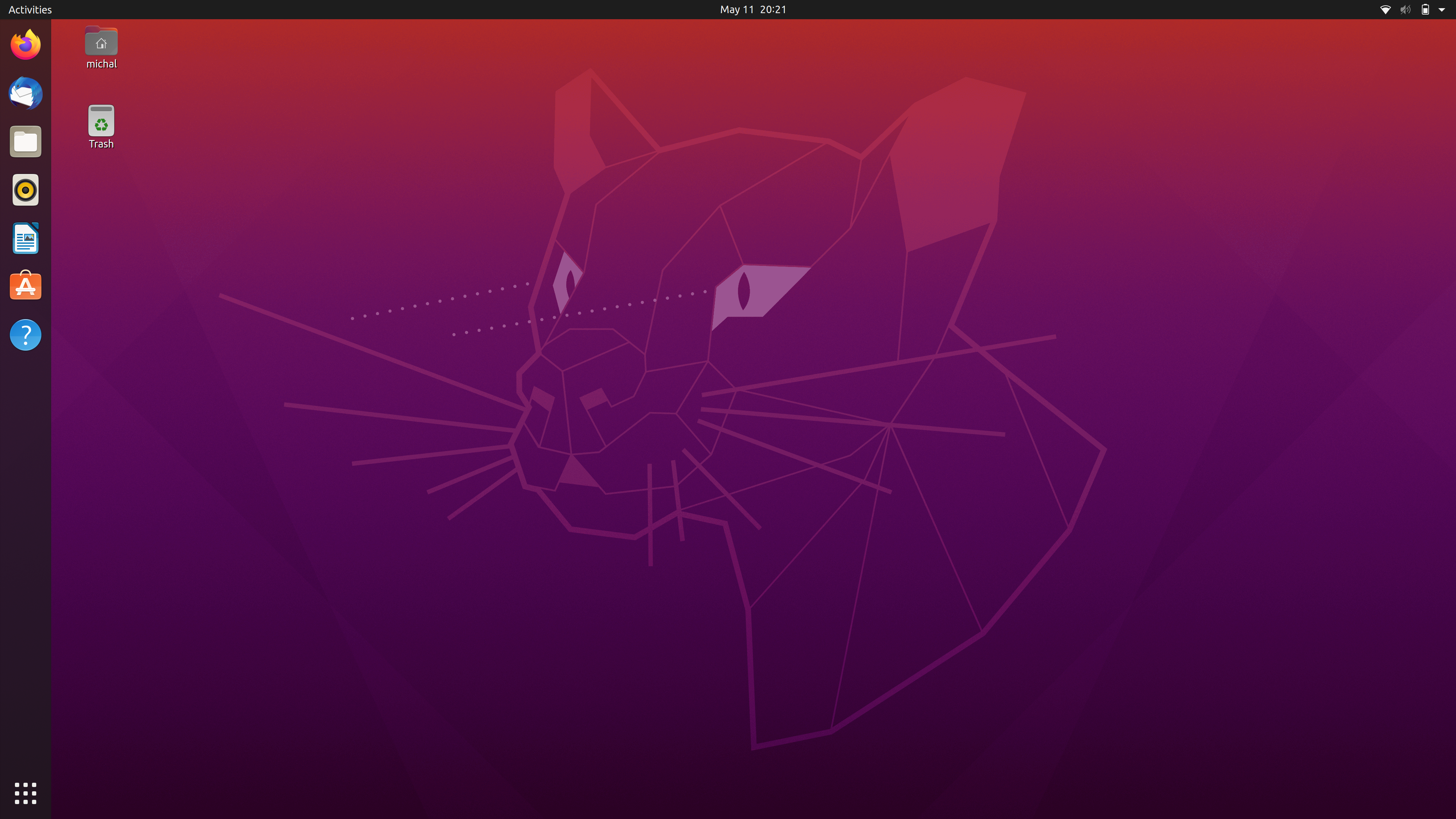
Ubuntu 20.04 Focal Fossa Mega Review - A complex look at the state of Ubuntu
As somebody who’s always had Ubuntu in his daily life for the past 13 years, I sometimes find it hard to differentiate between all the versions. I do appreciate the progress though, albeit I’ve felt like the direction Ubuntu was taking was going to force me to abandon it eventually. Lately, though, I’ve enjoyed the increased polish and speed improvements of Gnome 3.36 dabbled with snap packaging, understood its “raison d’etre” and had the opportunity of participating in an Canonical hosted webinar for press to pose some questions. ...
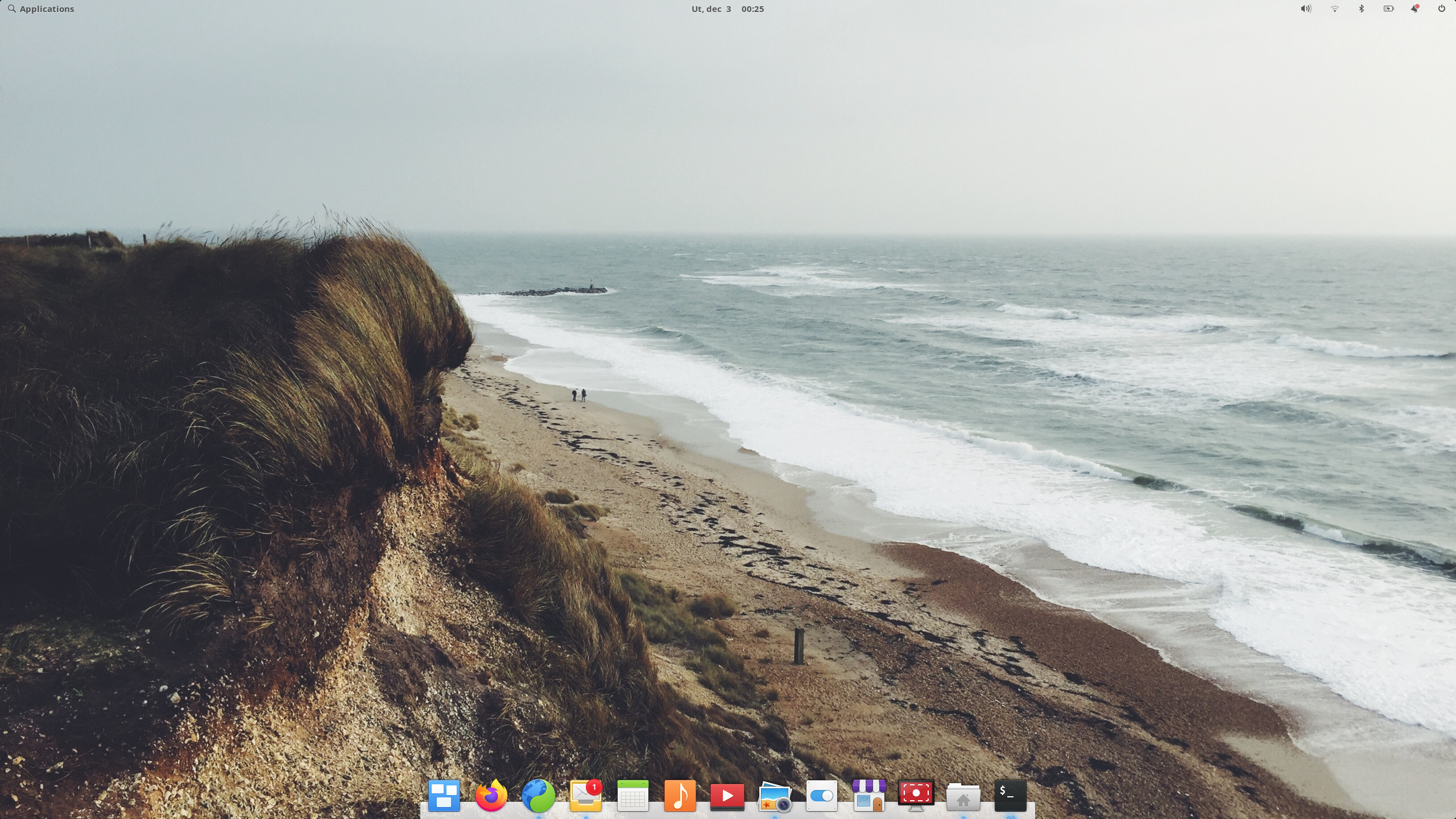
elementary OS 5.1 Hera
When I received the newsletter letting me know that in just a few days, there would be a new point release of elementary OS, I’ve had mixed feelings. I was happy that the project I find very endearing is chugging along nicely, but I knew it would be a tough review to write. The problem with elementary OS is, that in this last release, the team behind it has been trickling down bug fixes and new features (such as the new login greeter). For this reason, it is very hard for me, as a daily user of this Linux distro, to make a clear distinction between the previous version, Juno, and this new version - codenamed Hera. I guess I’ll have to try to approach this review as if I was a completely new user, seeing the OS for the very first time. ...